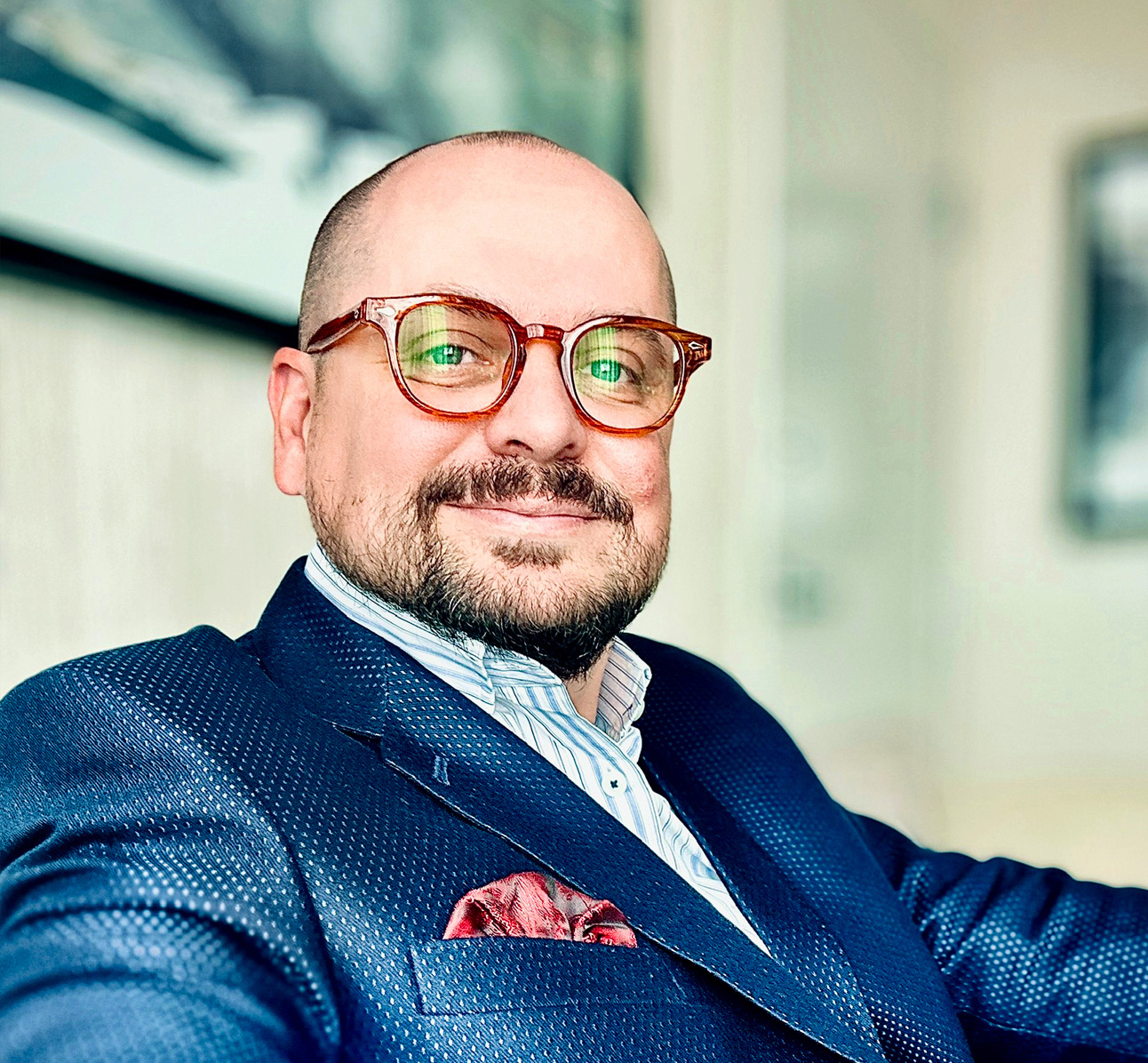
I build design practices that scale. Strategy, systems, and the culture that makes great product experiences repeatable.

Core competencies

Web Development

Design Strategy & Vision

I define design direction at the product and org level. That means translating messy business goals, conflicting customer needs, and technical constraints into something coherent: a strategy that teams can actually build against. From product vision down to design principles. I set the conditions for good work to happen consistently, not just occasionally.

Search Engine Optimization

Design Operations & Maturity

The unglamorous stuff that makes everything else work. I build the processes, systems, and rituals that let design operate with quality at scale: design systems, research frameworks, critique practices, governance. The maturity roadmaps that move a team from "we figure it out as we go" to actually embedded, repeatable design culture.

eCommerce Consulting

Team Leadership & Mentorship

I hire for complementary skills, mentor people who want to grow fast, and build the kind of team trust that makes hard projects survivable. Cross-functional by default: product, engineering, marketing, execs. I've led squads of 5 and sat inside orgs of 30+. Both teach you very different things.

Business Consultation

Stakeholder Engagement & Executive Communication

Design leadership is influence work, not just craft work. I translate design decisions into business language, present to C-suite without flinching, and build the kind of organisational buy-in that doesn't evaporate when a project gets hard. Getting design a durable seat at the table. That's the job.

Organisations I've led design for

Westpac
National Australia Bank
Royal Bank of Canada
Great Southern Bank
Qantas Airways
Aeroflot Airlines
Telstra
Rogers
Fairfax Media
Staples
L'Oreál
Mercedes


Leadership

I've spent 20+ years in design, but the last decade has really been about leadership.
The less glamorous work: building teams, setting standards, navigating complex org structures, and creating the conditions where good design becomes the norm rather than the exception.

Recognised as Global Talent by the Australian Government (2019). Three continents. High-stakes environments: from Australia's largest telco transformation to enterprise banking across RBC, Rogers, Westpac, NAB, and Great Southern Bank.

Qualification

MSc, Computer-aided Design Technical University of Slovakia (1999–2005)

MBA, Business Management European Institute of Business, United Kingdom (2019–2021).

Two Master's degrees, engineering and business. Honestly, that combination is genuinely useful in design leadership: I can talk technical architecture with engineering and commercial strategy with the CFO, without either conversation feeling forced.

Entrepreneurship

I founded Slovakia's first interactive web animation studio in 2003, built a full-service digital agency that delivered 500+ projects across Central Europe, co-founded a mobile app startup that reached #1 on the Slovak App Store, and established a boutique consulting practice with clients across the US, Europe, and Australia.

14 years of running your own business teaches you something no employer can: that design decisions have real commercial consequences. I don't forget that.

Leadership

I've led design at the team and org level across some of Australia's and Canada's most significant enterprises:

Telstra — Built and led multiple specialist UX/UI squads (10–15 per squad) across Sydney, India, and East Asia, delivering 6 major product releases over 18 months as part of Australia's then-largest digital transformation.

Rogers Communications — Promoted to UX Lead within 6 months; led a 15-person design organisation's omnichannel transformation spanning retail, digital, call centres, and warehouse.

Royal Bank of Canada — Operated within an 80–100 person cross-functional design organisation, leading business banking UX across highly matrixed structures.

Evangelism

Design maturity doesn't happen by accident. You have to build it deliberately: design forums, stakeholder education, documented process, research infrastructure, and making the value of design visible in language the business actually uses.

First design system at a company. Inaugural Design Forum. Benchmarking against the Nielsen Norman maturity model. This stuff isn't side work. It's core leadership work.


AI & Emerging Technology

I believe the most important design leadership question of the next five years isn't which AI tools to use. It's whether design teams can build the judgment to use them well. Practically: I've integrated Claude and Microsoft Copilot into real enterprise design workflows, explored generative prototyping with React and AI code generation, and I'm currently building an internal AI UX adoption strategy and business case for an ASX-listed financial services company.

I hold a keen interest in AI UX as its own design discipline. Not a feature, a discipline. Human-AI interaction, transparency, trust calibration, error handling. The ethical weight of deploying AI-driven interfaces in regulated industries like financial services. This is where design gets genuinely hard and genuinely interesting.

Certifications

Beyond the two Master's degrees, I've been deliberately building AI credentials. Not for show, but because the field is moving fast enough that you either stay current or fall behind. Foundations, applied prompting, agentic systems: all directly relevant to how I design and how I lead.

Google AI Essentials — Google (2025)
Foundation-level AI certification covering core concepts, responsible AI practices, and how to actually integrate AI tools into professional work. Not just theory.

Google Prompting Essentials — Google (2026)
Specialist certification in prompt engineering: how to structure complex, multi-step instructions for generative AI systems effectively. More useful than it sounds.

Claude 101 — Anthropic (2026)
Anthropic's own certification on working with Claude: capabilities, safe deployment, and building effective collaboration patterns between human designers and AI.

AI Practice

I'm not an AI observer. I'm an active practitioner. Google's AI fundamentals, specialist prompting training, Anthropic's own Claude cert — that's a deliberate stack, not credential-collecting. It reflects a real commitment to AI fluency that actually shows up in the work.

Three courses that changed how I work:

Generative AI Leader (Google) — Strategic framing of AI adoption, org readiness, and responsible implementation at a leadership level. Less about tools, more about judgment.

Introduction to Agent Skills (Anthropic) — How autonomous agents actually reason, plan, and execute multi-step tasks. Directly relevant when you're designing human-in-the-loop AI products.

Claude Code in Action (Anthropic) — AI-assisted development with Claude as a coding collaborator. I use this actively: React prototyping, design system tooling.

In practice: I can sit in an engineering conversation about AI integration and hold my own. I know where AI genuinely improves UX and where it creates friction. And I can design for the trust, transparency, and error-handling demands that AI interfaces in regulated industries actually require.
Testimonial

Professional impact

20+

Years across enterprise design & leadership

5

Countries: Slovakia, Czechia, USA, Canada, Australia

500+

Projects delivered — startup to TSX/ASX-listed enterprise

$100M+

in digital programmes delivered or contributed to

Let's talk about your next design leadership hire

I'm selectively exploring Director and Head of Design opportunities — airlines, financial services, fintech, telco, enterprise technology — where design leadership can drive real business impact. Not just a seat at the table. Actual impact.

If you're building or scaling a design function and you need a leader who can work at strategy level and still care about the craft, let's talk.

Available for

Email
Teams / Zoom

In-person (Sydney CBD)

Locations

Based in Sydney, Australia.


Open to remote engagement and relocation

Explide
Drag